WAIC 2026 - From Consensus to Action: Possible Pathways for Global AI Governance
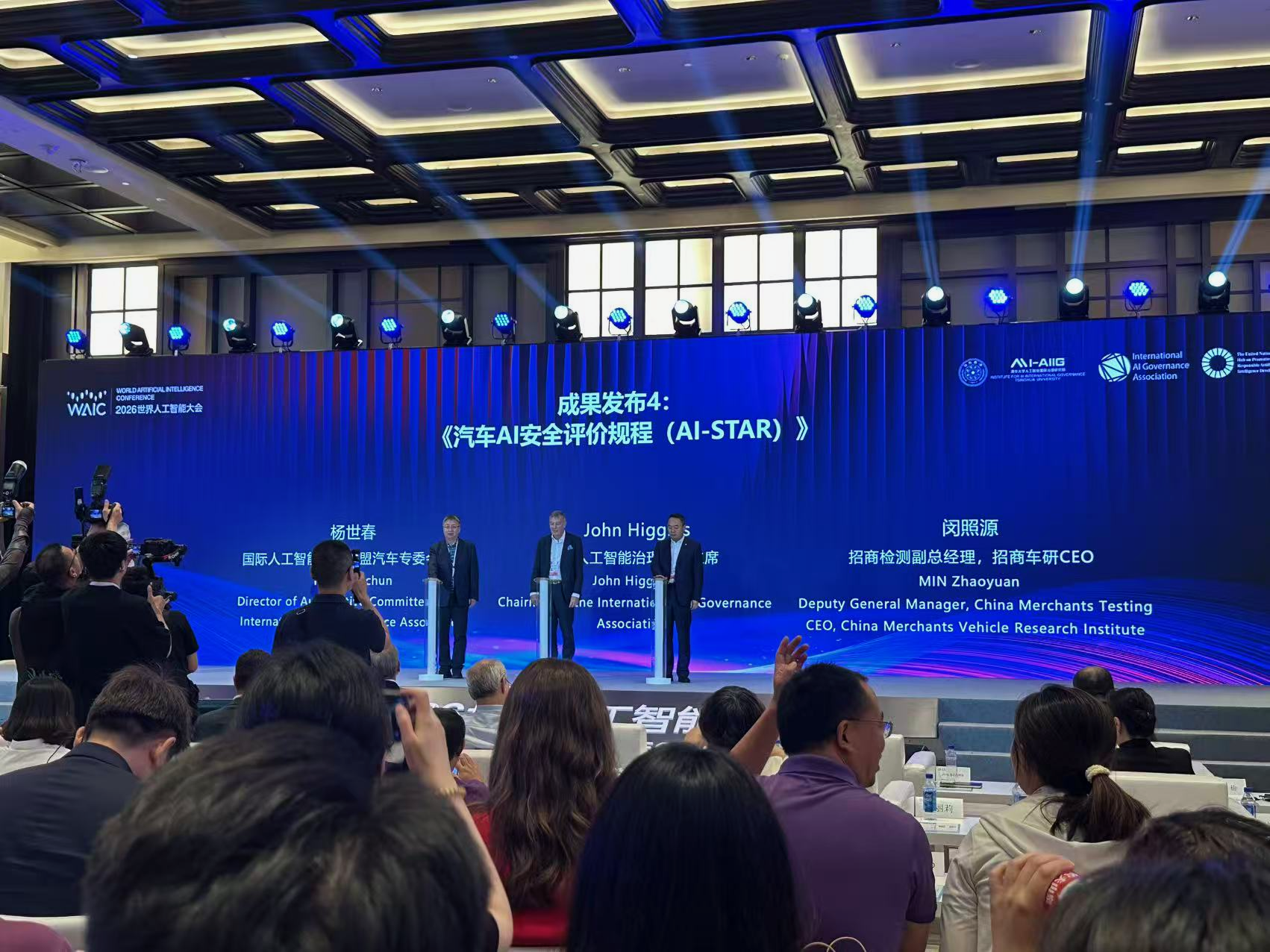
Jointly organised by the International AI Governance Association (IAGA), the Institute for AI International Governance, Tsinghua University (I-AIIG) and the UNU Hub for the Project of Promoting Ethical and Responsible Artificial Intelligence, this forum took place on the 18th July as a side event of WAIC 2026 in Shanghai. The forum was guided by the World Artificial Intelligence Conference Organising Committee Office, and co-sponsored by Huawei Technologies Co., Ltd.
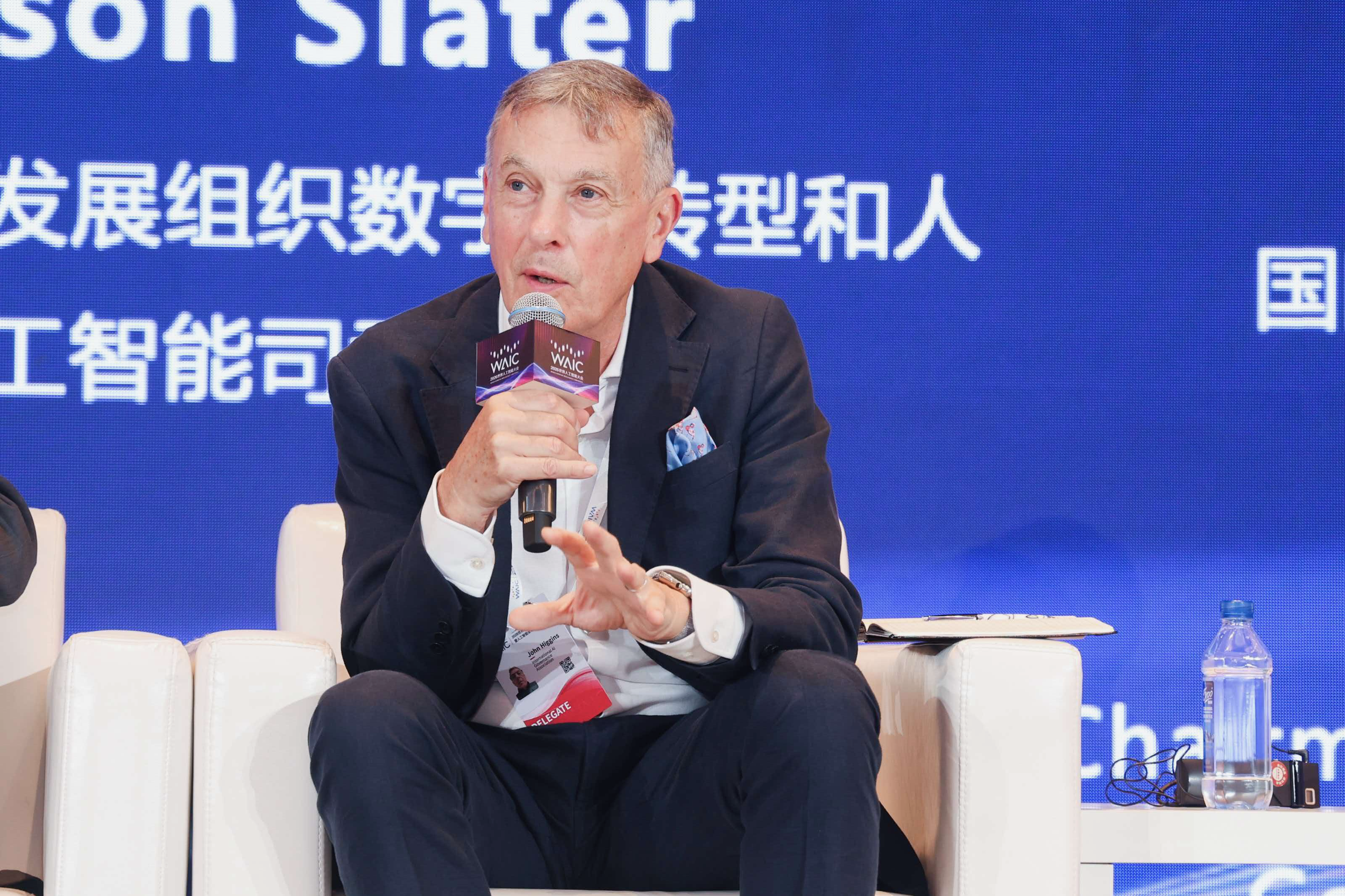
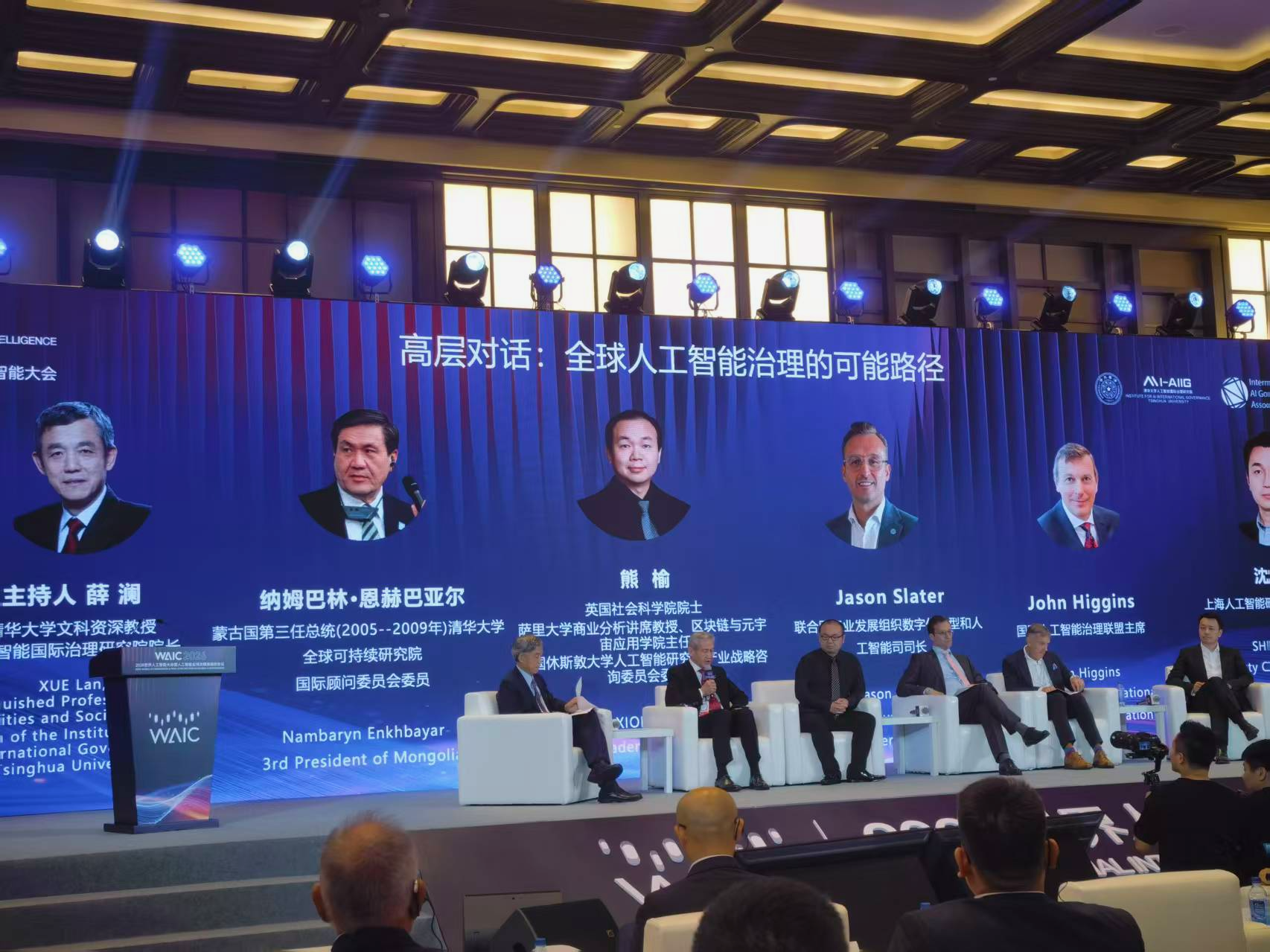
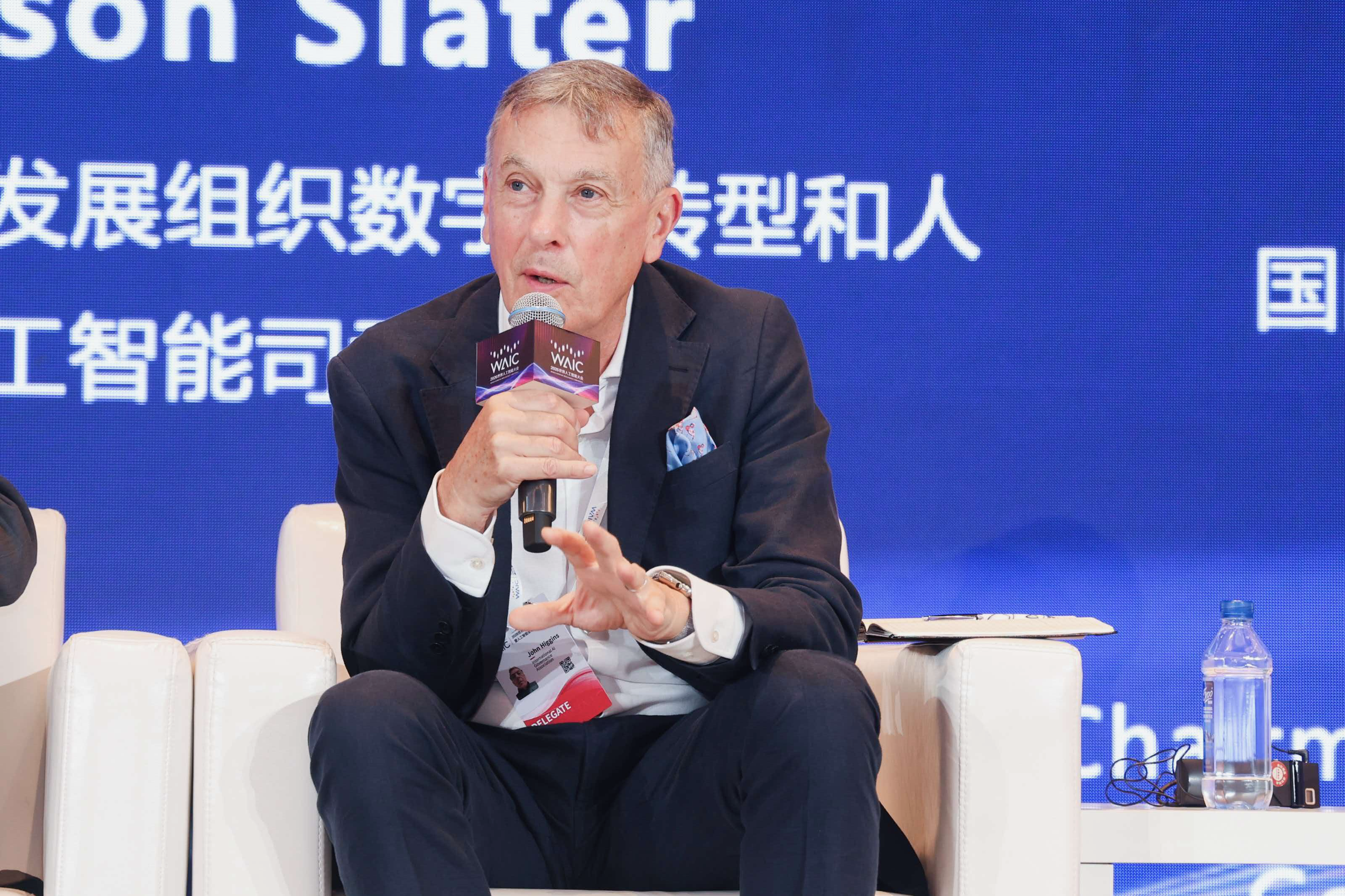
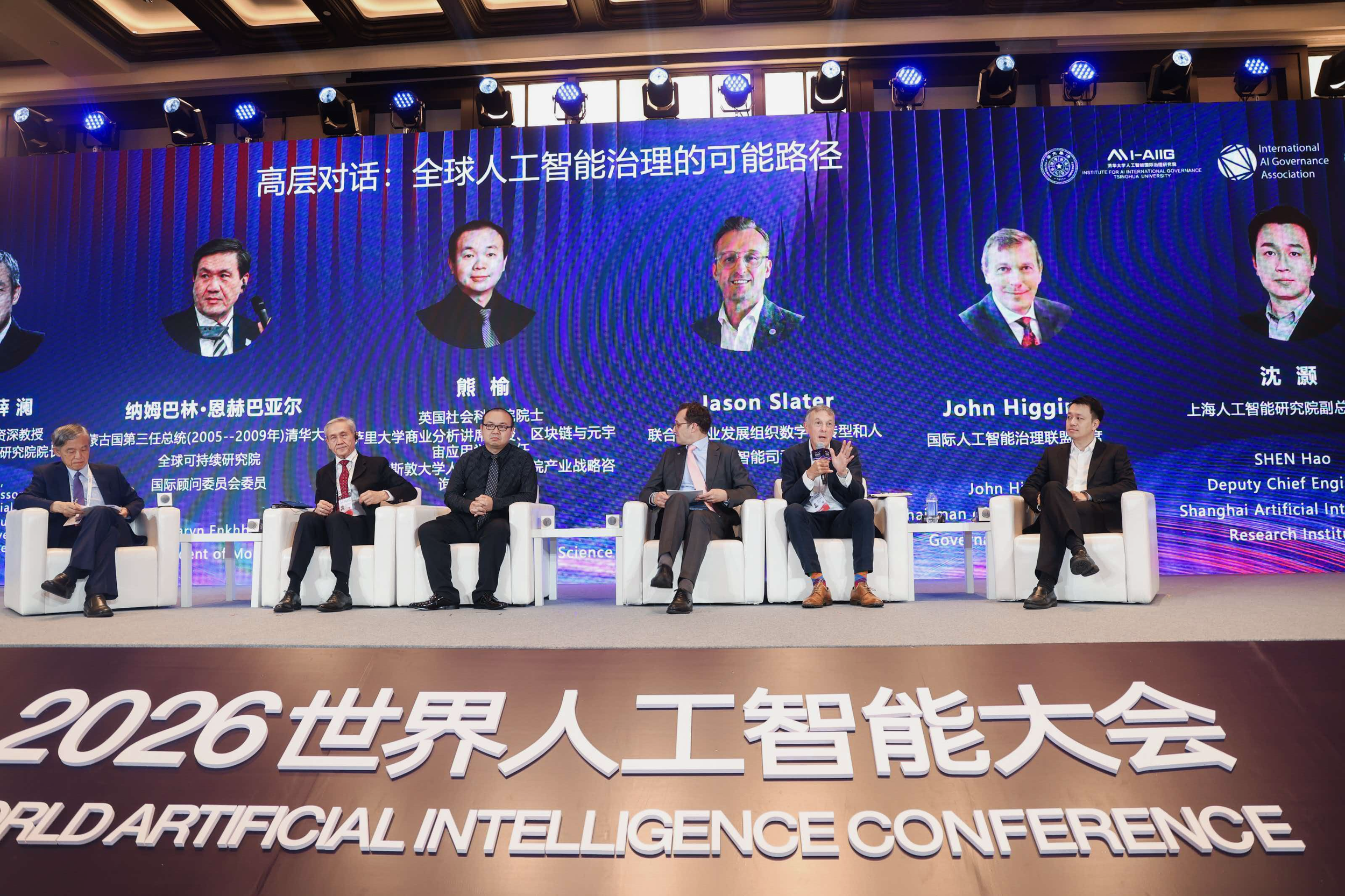
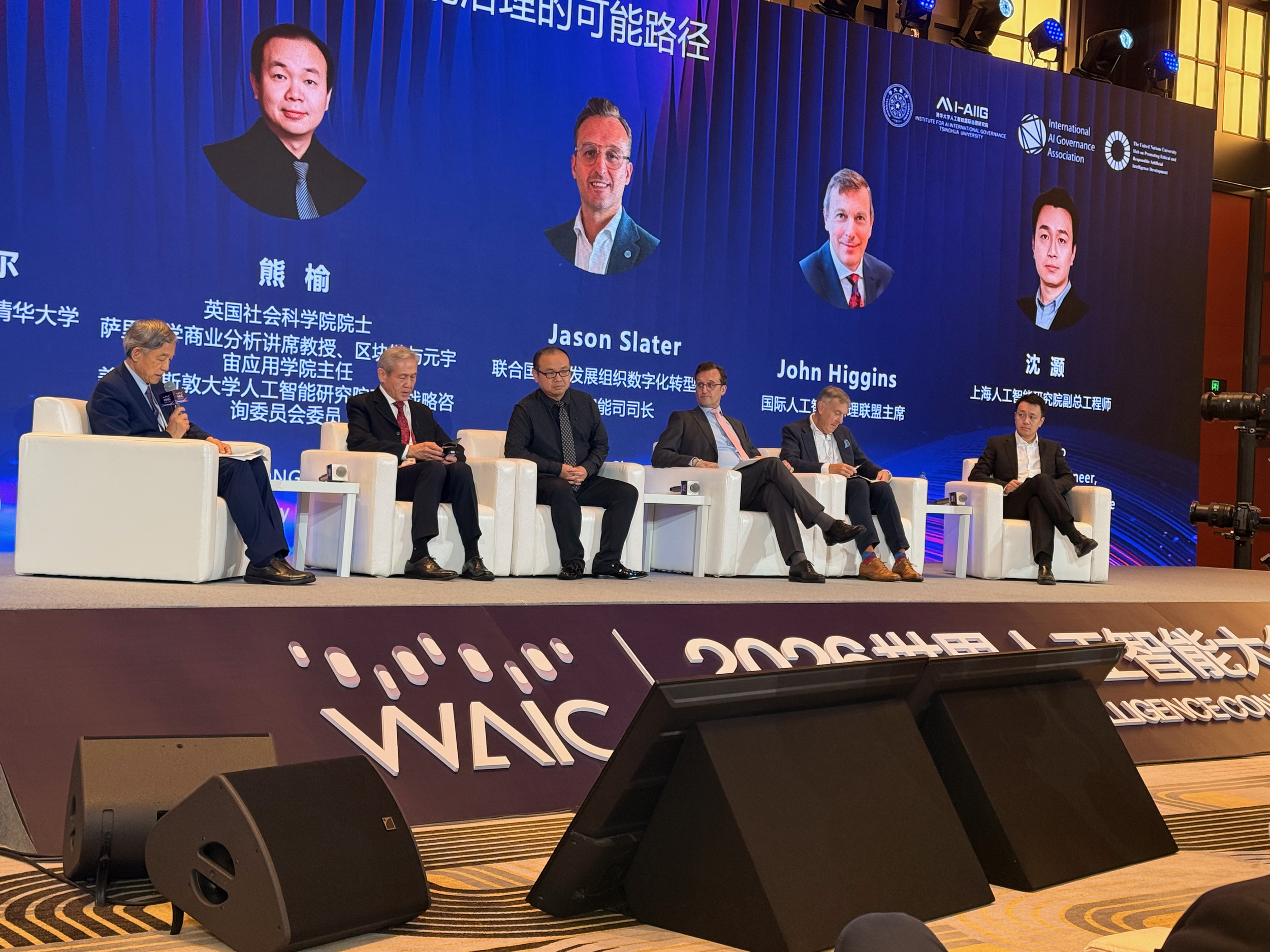
At the event, John Higgins, Chair IAGA, contributed to the opening High-Level Dialogue “Possible Pathways for Global AI Governance”, alongside Nambaryn Enkhbayar, 3rd President of Mongolia; Governor of New Kharkhorin Capital City Council; Ambassador-at-Large Mongolian Ministry of Foreign Affairs, XIONG Yu, Fellow of Academy of Social Science; Chair Professor of Business Analytics; Director, Surrey Academy for Blockchain and Metaverse Applications; A Member of the Advisory Board of the University of Houston Human-Centered AI Institute, Jason Slater, Chief AI Innovation and Digital Officer, United Nations Industrial Development Organization (UNIDO), Kaan Cetinturk, Chief Information Officer, United Nations Children's Fund (UNICEF) (video speech), SONG Haitao, President of the Shanghai Artificial Intelligence Research Institute and member of the UN Global AI Governance Panel. The panel was moderated by XUE Lan, Distinguished Professor of Arts, Humanities and Social Sciences of Tsinghua University; Dean of the Institute for AI International Governance of Tsinghua University.
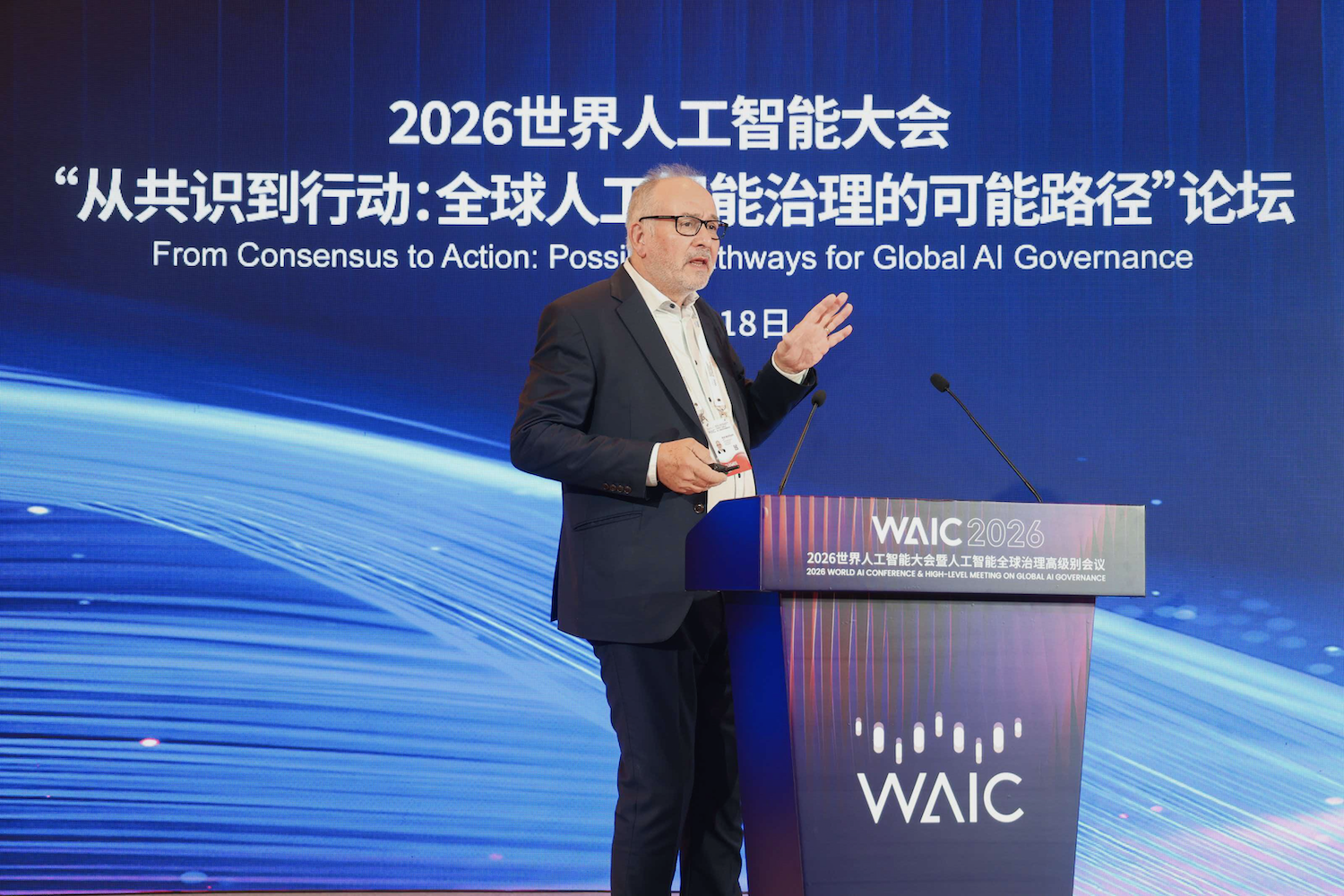
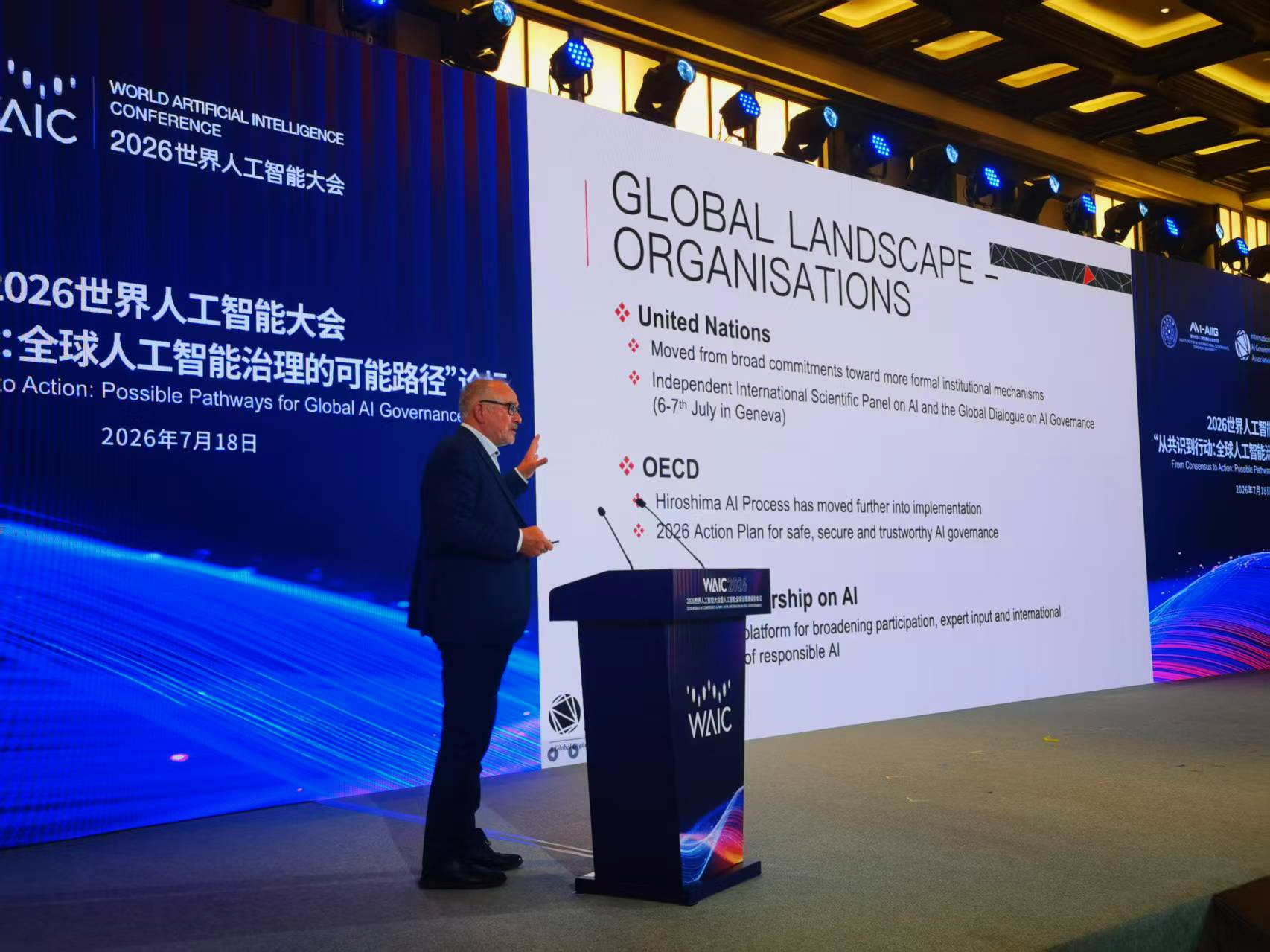
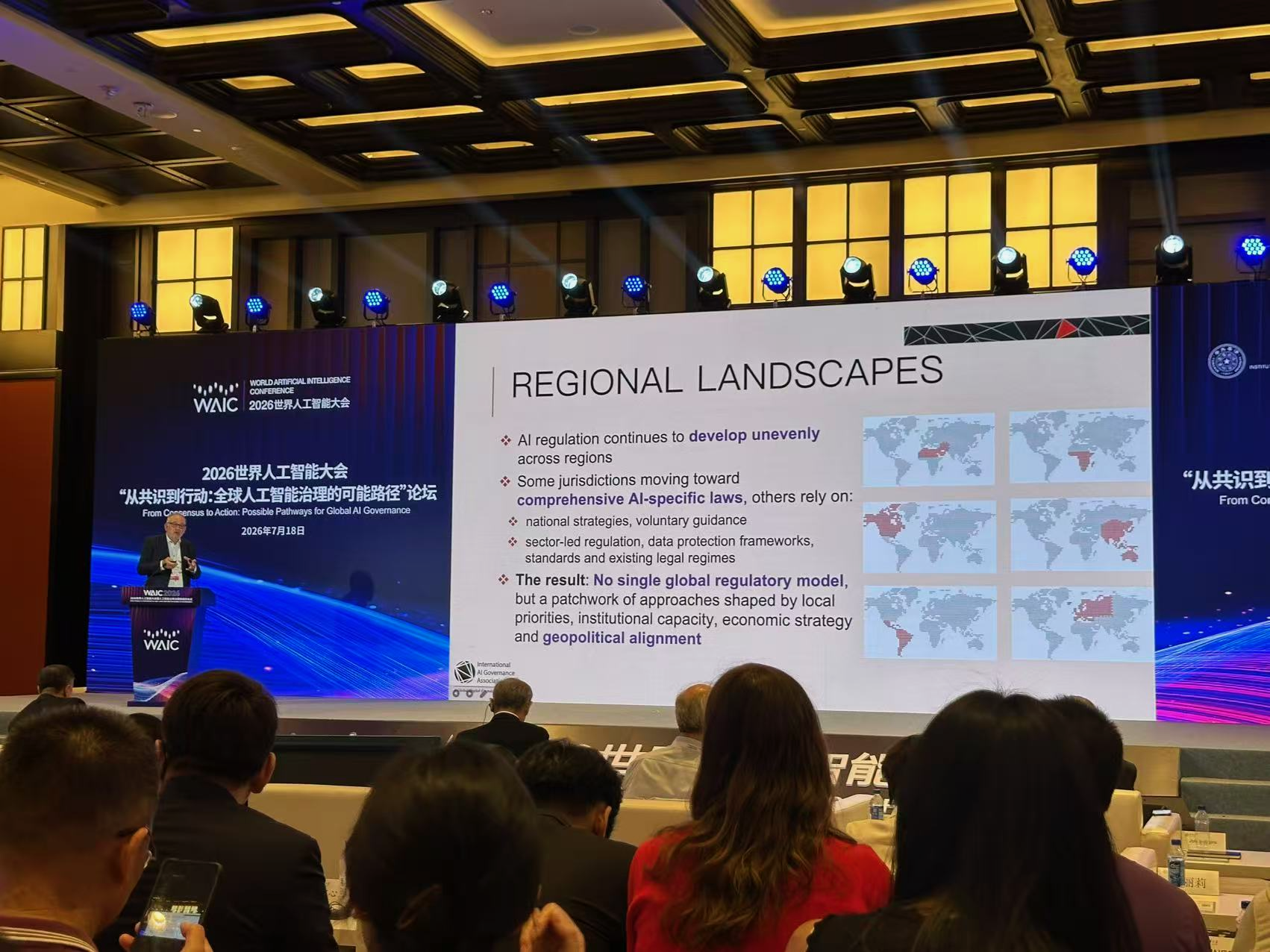
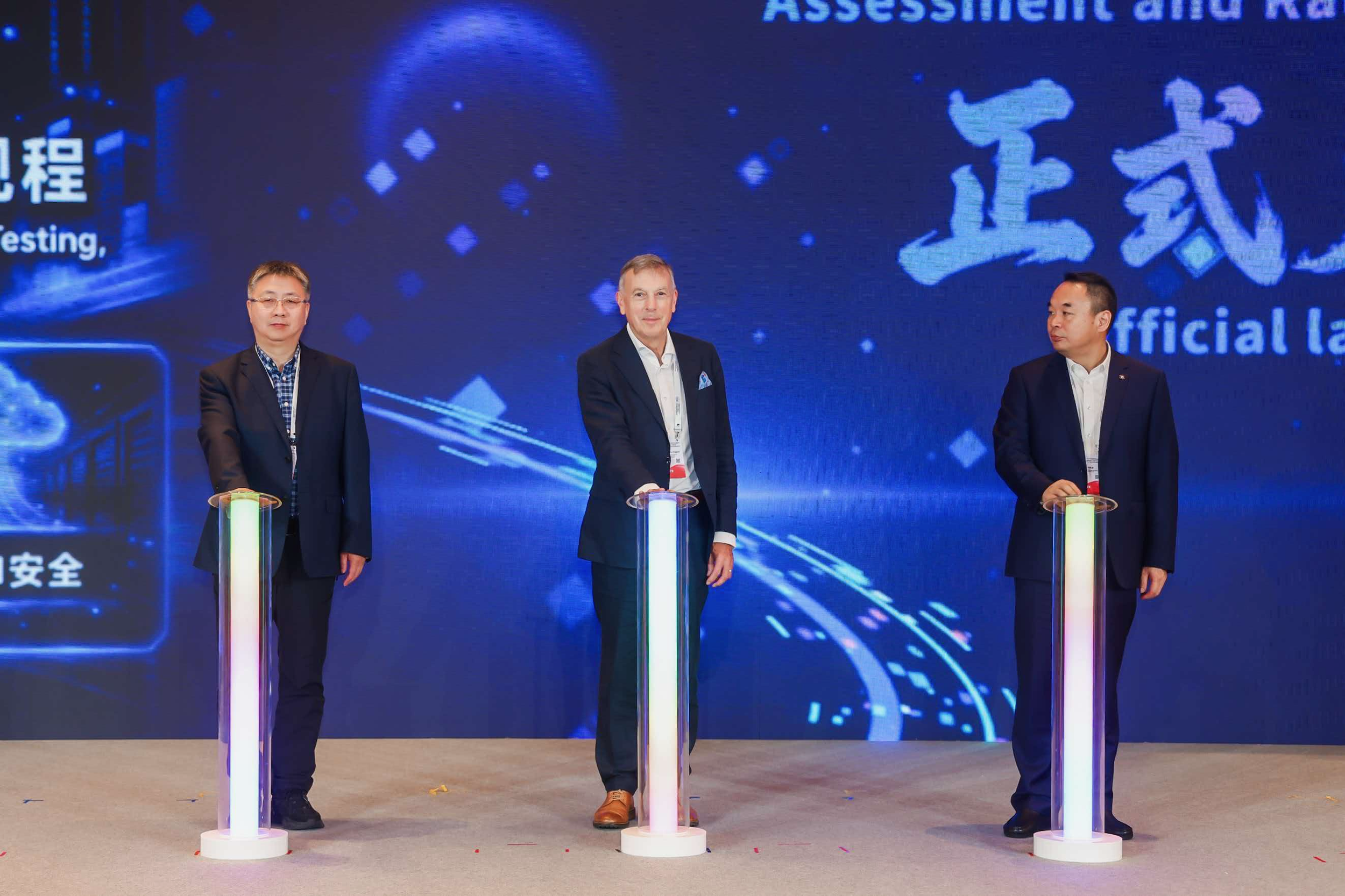
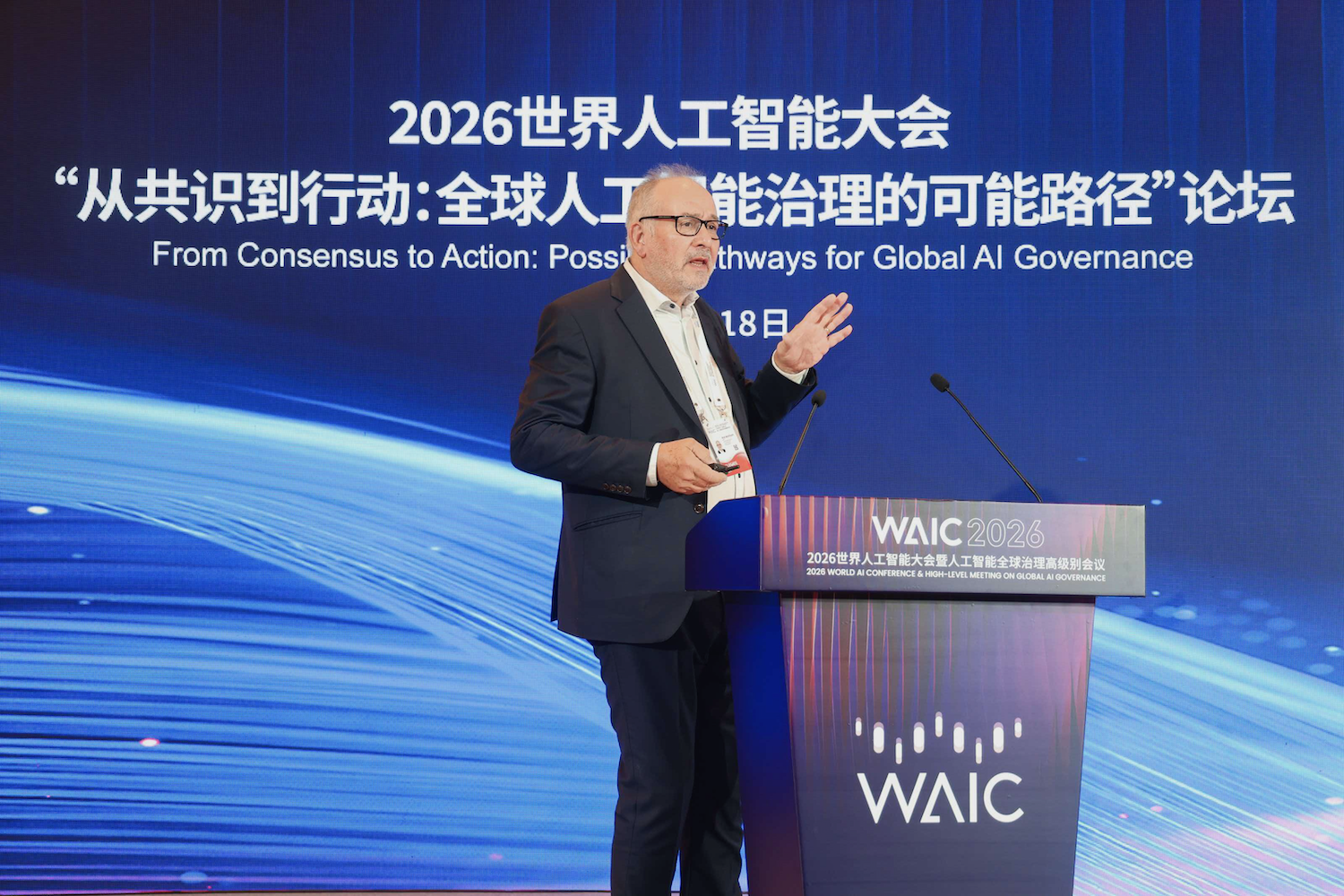
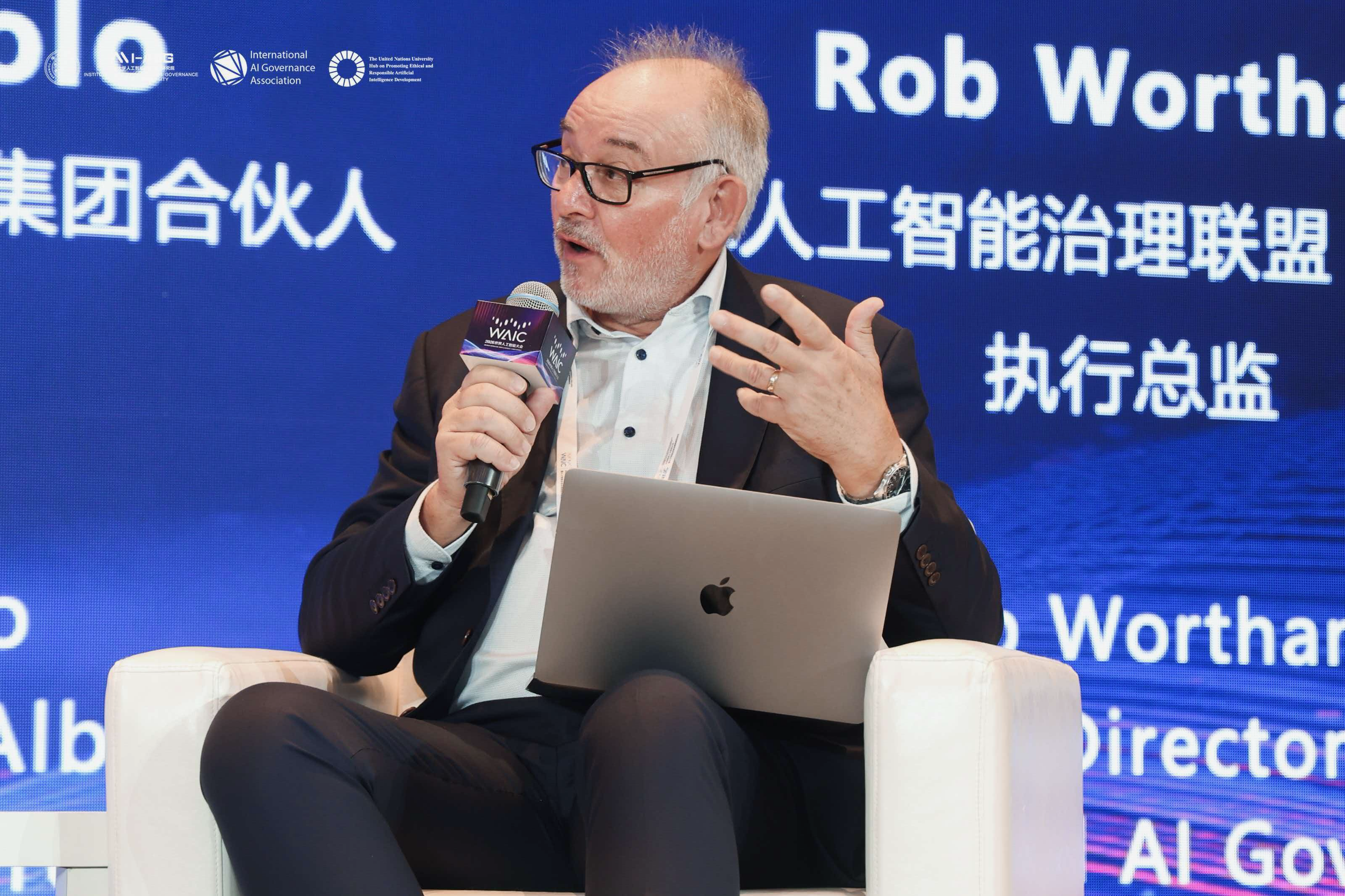
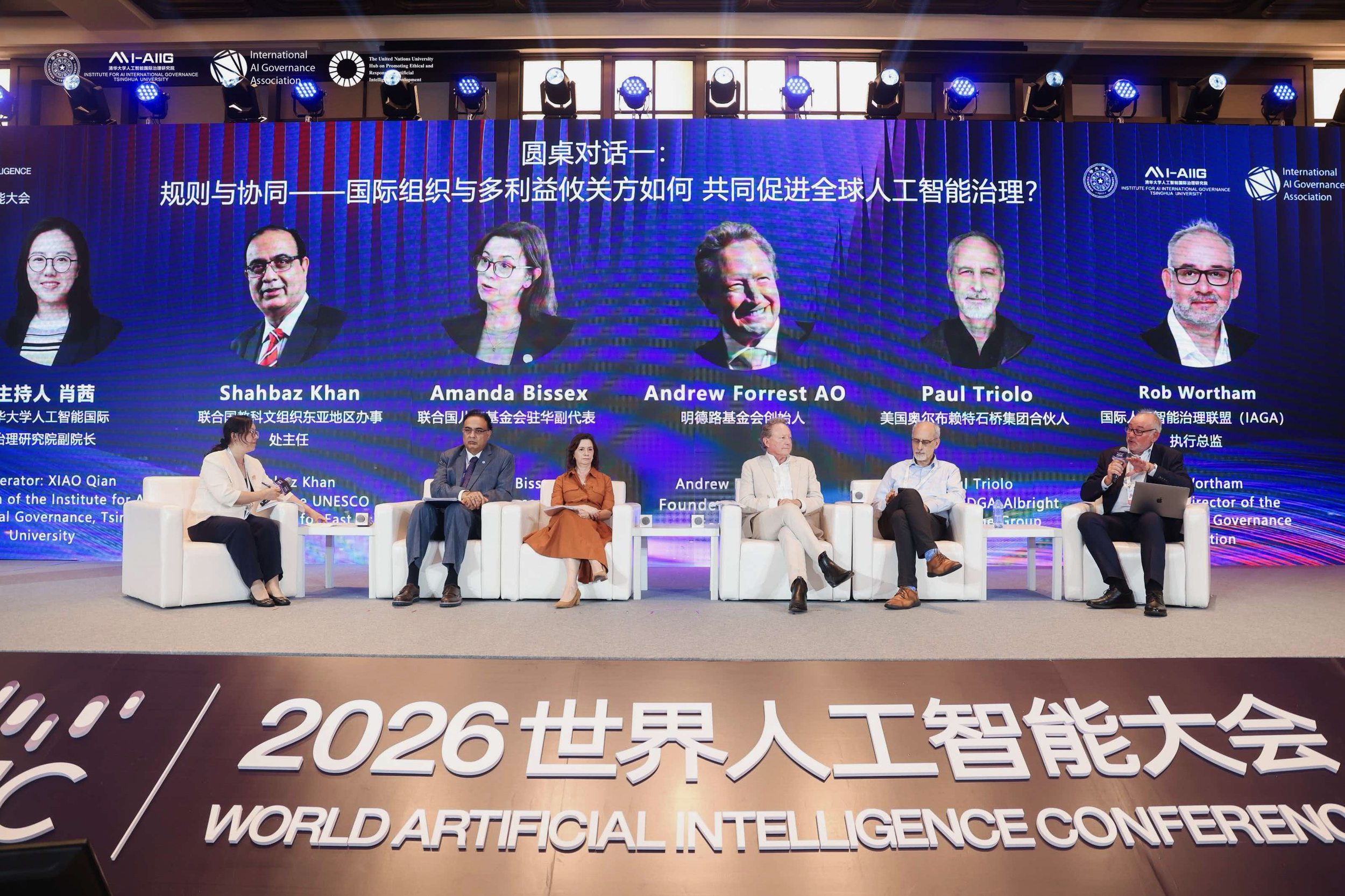
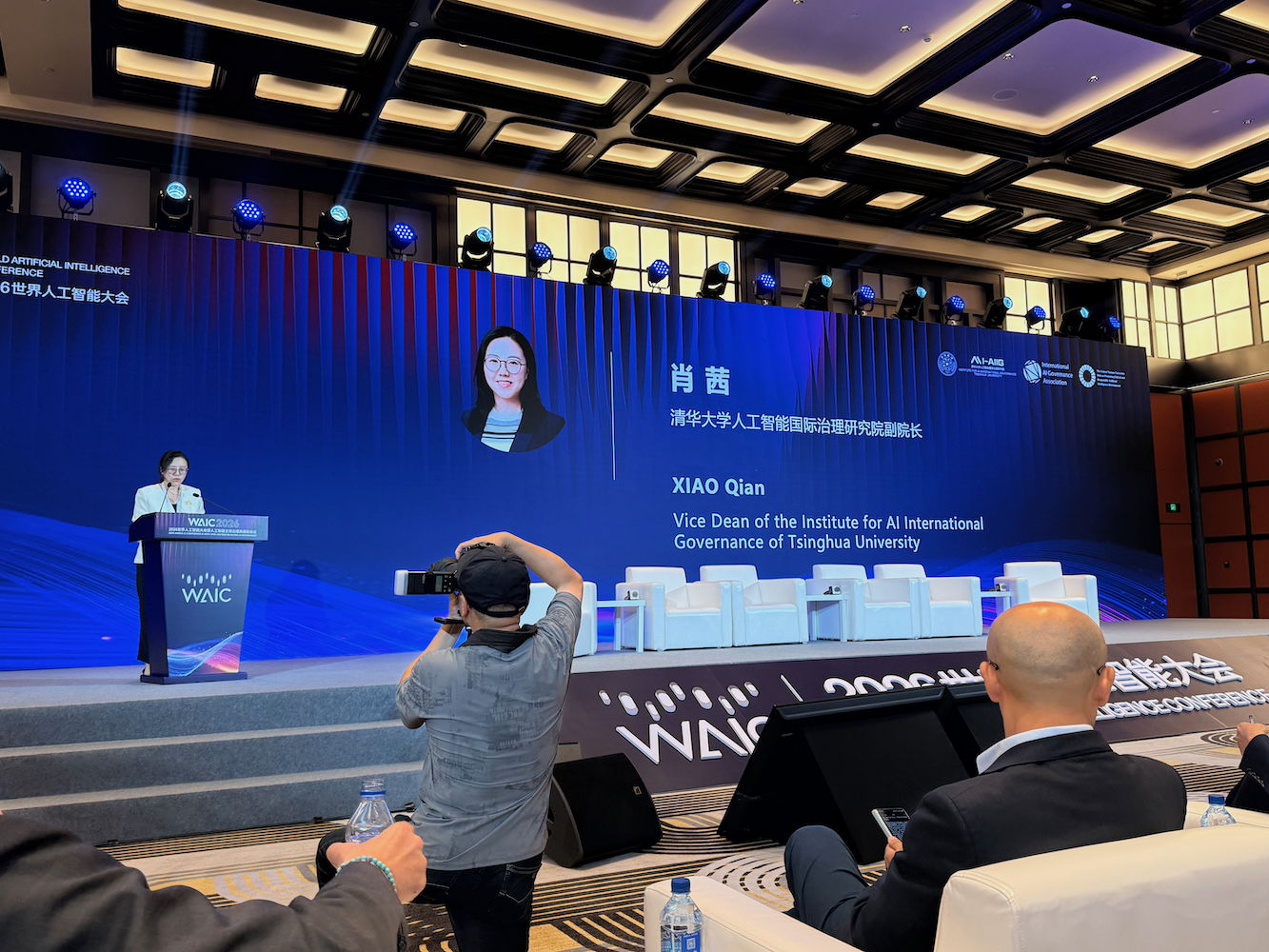
Rob Wortham, Executive Director of IAGA, launched the 4th annual Global AI Governance and Assurance Global Trends Report 2025-26. In a short talk, Rob summarised the report content noting the simultaneous efforts to move from high level AI governance principles to implementation through standards and regulation, and the increasingly fragmented global AI governance landscape. Speaking at the subsequent panel “Rules and Coordination — How Can Inter national Organisations and Multi-Stakeholder Actors Jointly Advance Global AI Governance?” Rob emphasised the importance of international standards as a means to facilitate interoprability between governance frameworks and regulation. Rob noted that Chinese and US companies contribute to international standards alongside European, ASEAN and other international contributors, along with a wide range of civil society groups. Working hard within standards committees they achieve consensus through sustained hard work. This valuable contribution should not be under estimated as a means for global dialog, mutual respect and cooperation. Also on the panel were Shahbaz Khan, Director of the UNESCO Regional Office for East Asia, Amanda Bissex, Deputy Representative, UNICEF China, Andrew Forrest AO, Founder of Minderoo Foundation and Paul Triolo, Partner at DGA-Albright Stonebridge Group. The panel was moderated by XIAO Qian, Vice Dean of the Institute for AI International Governance, Tsinghua University.
The forum also included a keynote talk from Alexander De Croo, Administrator of the United Nations Development Programme. The full agenda is available here.