World Internet Conference Digital Silk Road Development Forum
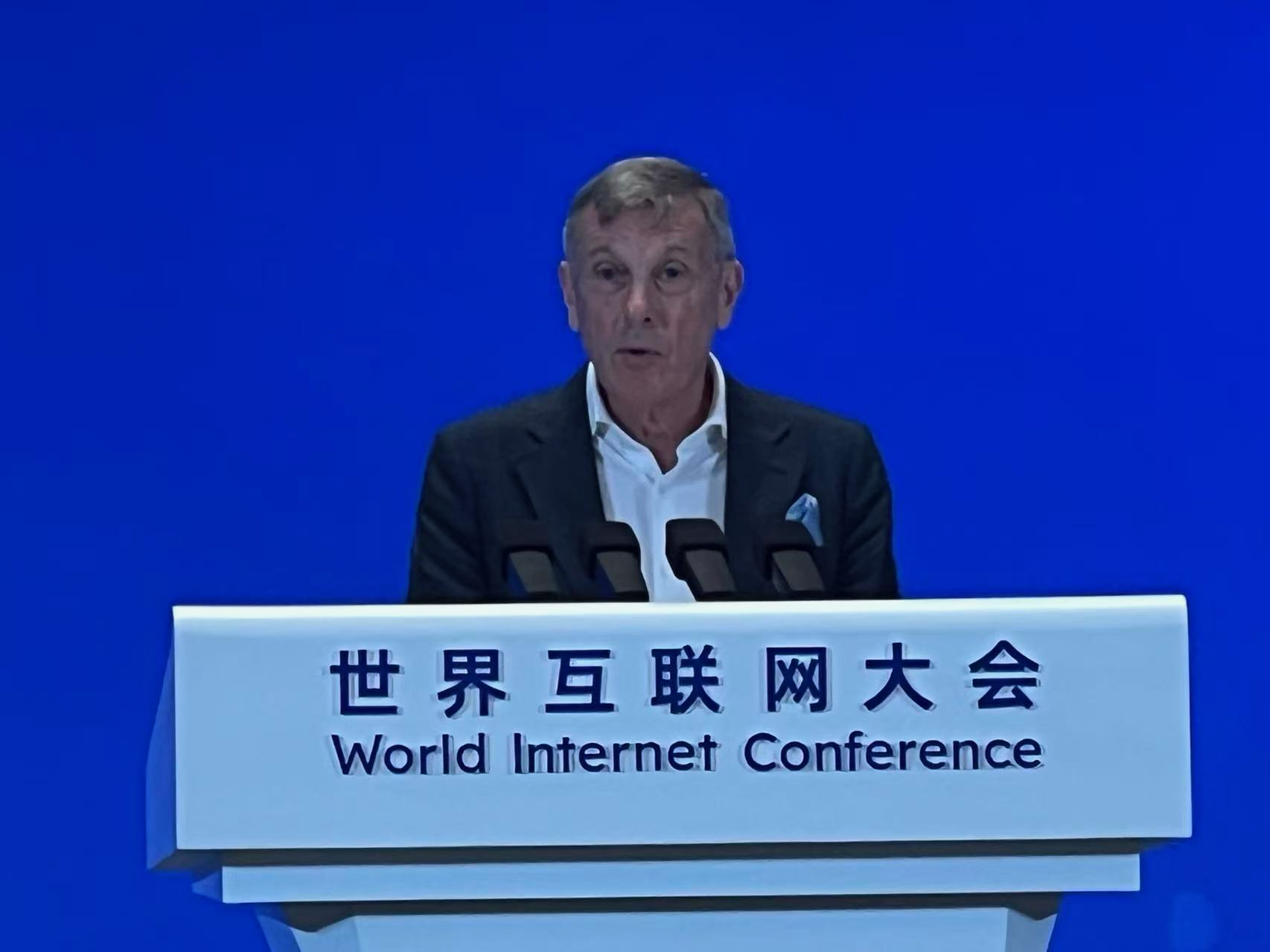
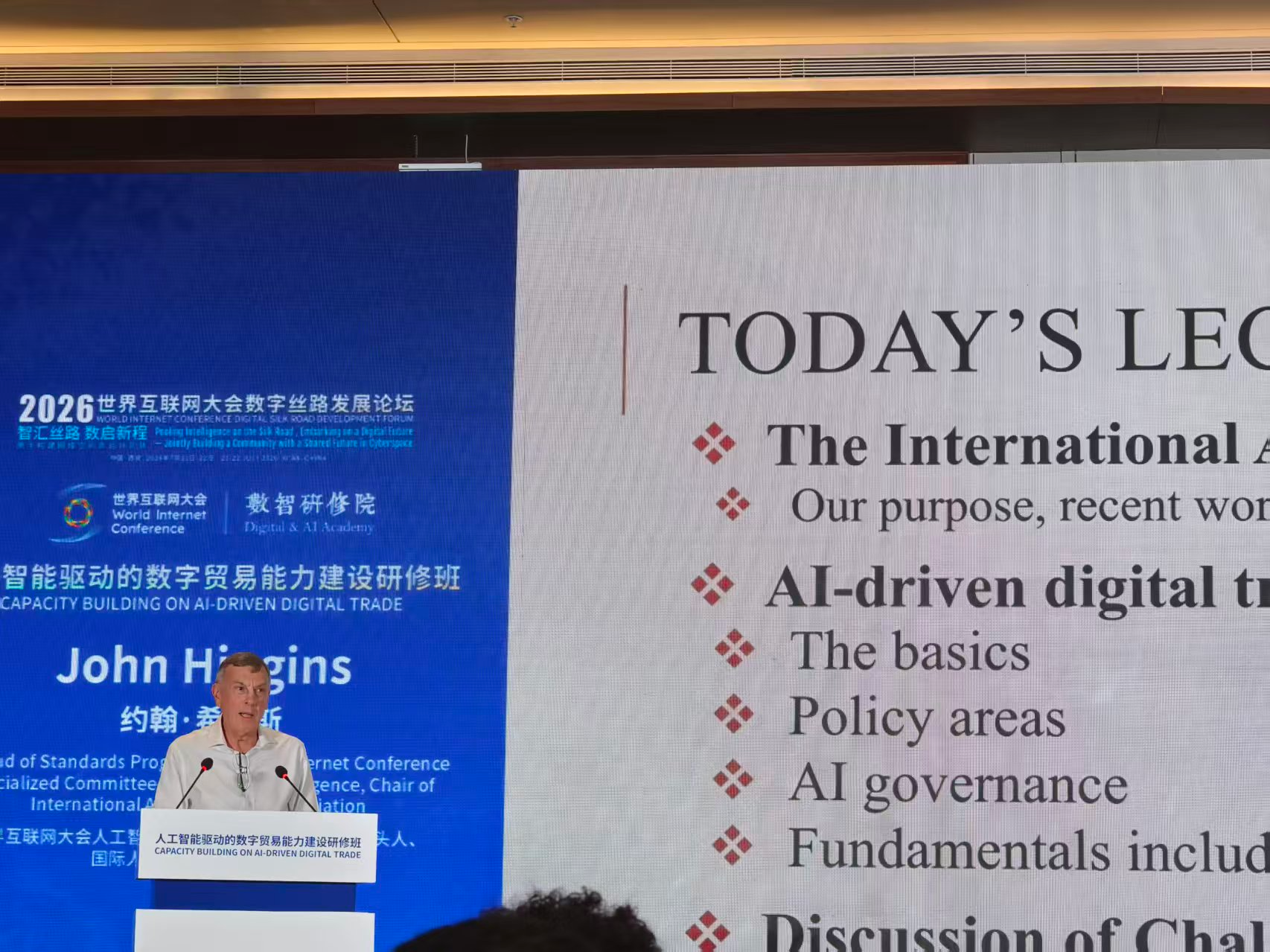
On July 21st John Higgins CBE, Chair of International AI Governance Association (IAGA), gave a lecture at the Digital and AI Academy during the World Internet Conference Digital Silk Road Development Forum, Xi’an, China. The lecture title was “From Caravans to Algorithms - the Changing Tools of Trade" and was part of a programme focusing on AI driven digital trade. The audience included government officials from Global South countries who are developing national responses to the challenges and opportunities of AI, with a particular emphasis on trade.
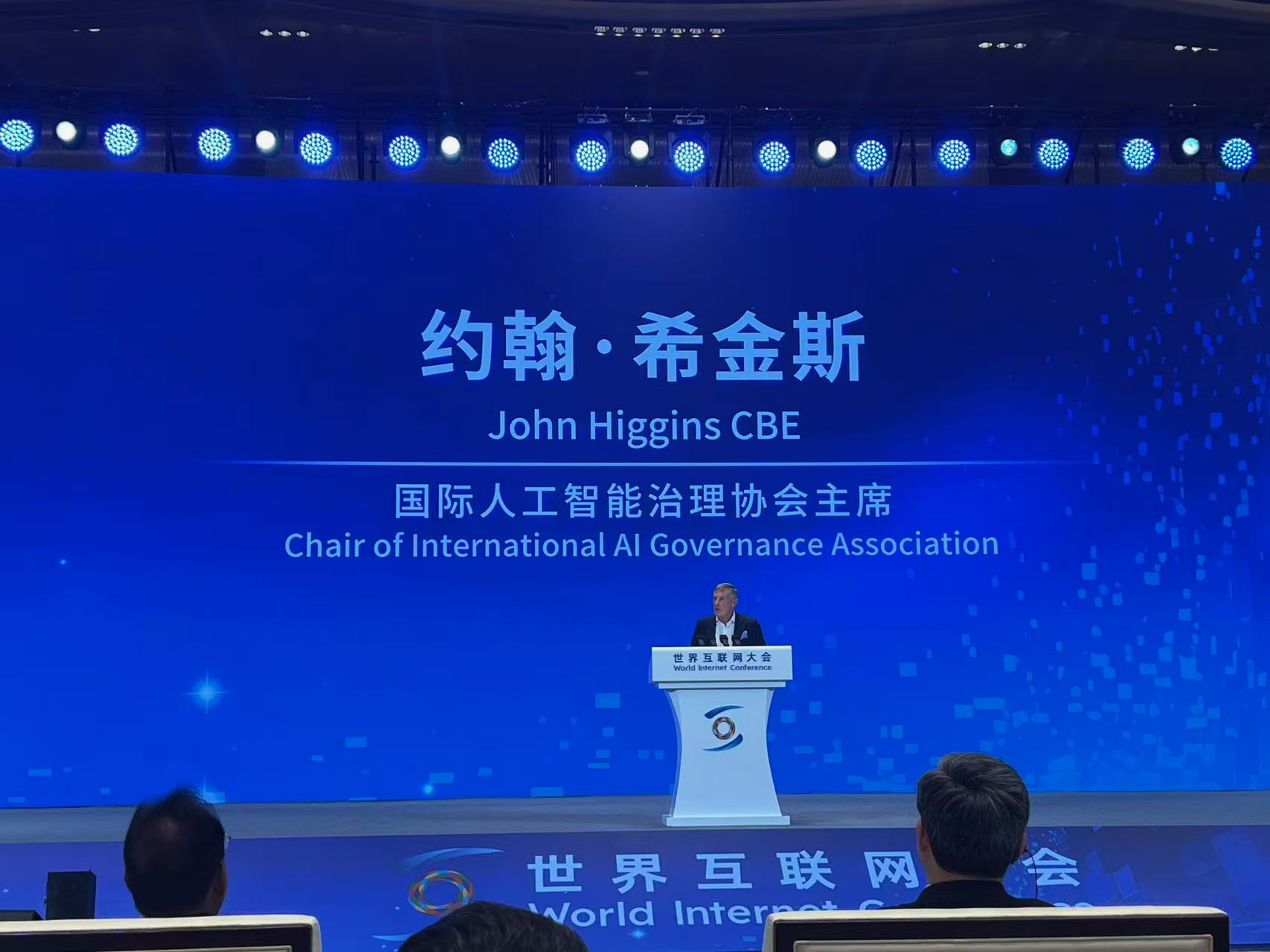
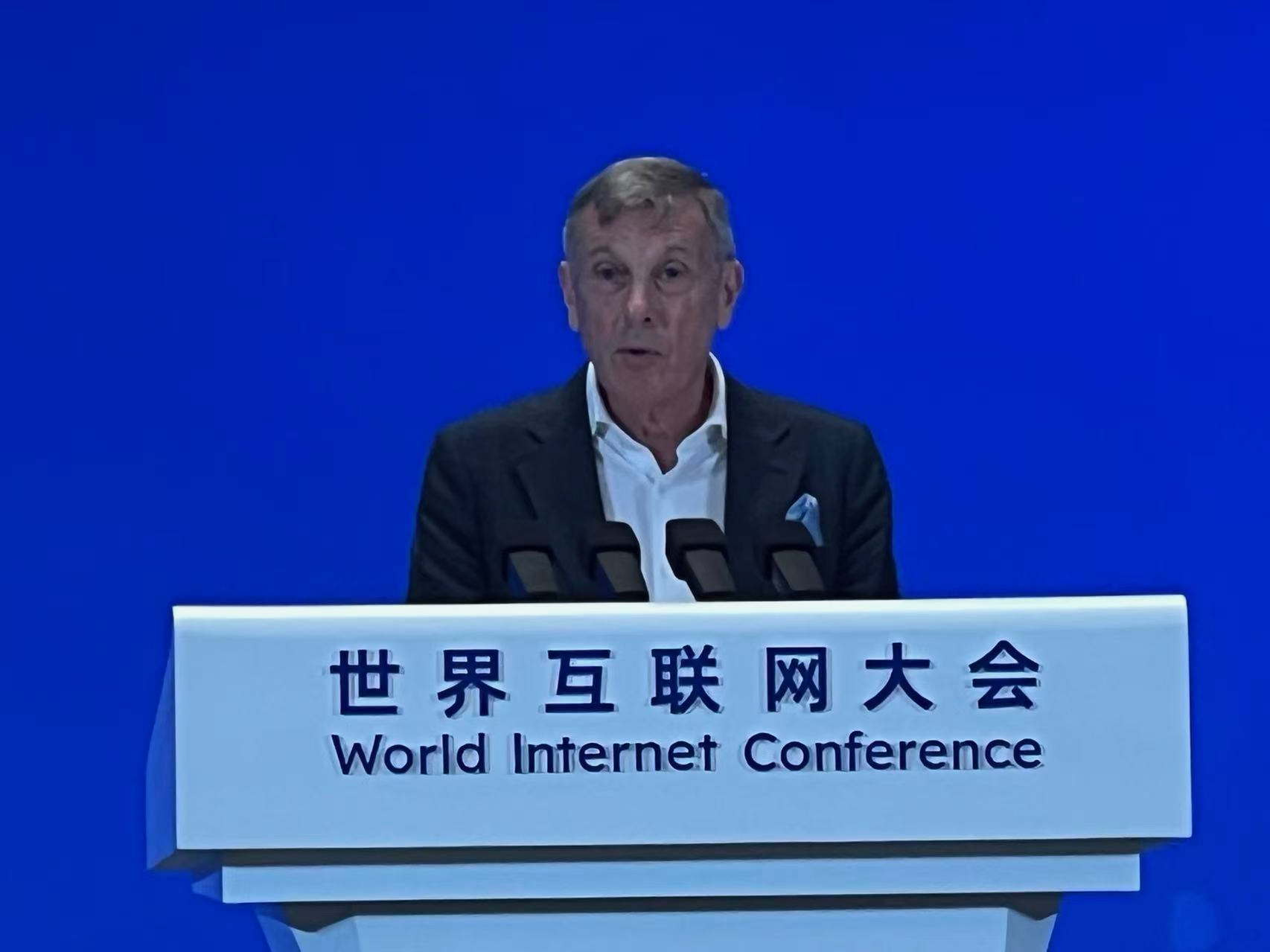
On July 22nd, speaking at the opening ceremony of the World Internet Conference Digital Silk Road Development Forum, John highlighted the parallels between the historic Silk Road and the rapidly developing world of artificial intelligence.
Higgins noted that the original Silk Road depended on complex networks of intermediaries who had to earn the trust of those whose goods they carried. Today, increasingly capable AI agents are beginning to perform tasks on behalf of individuals and organisations, creating a similar need for mechanisms that allow users to assess their capability, reliability and trustworthiness. Developing such mechanisms is becoming an important part of practical AI governance.
He welcomed growing international cooperation on AI governance, including the UN’s Global Dialogue on AI Governance and the World AI Cooperation Organisation (WAICO), arguing that the interconnected nature of cyberspace makes international cooperation increasingly important. Drawing on the “Overview Effect” experienced by astronauts looking back at Earth, Higgins emphasised the shared responsibility of the global technology community to ensure that digital interconnectedness benefits societies around the world.
International standards will be central to achieving this. Higgins argued that common technical standards, including standards for AI agents, can create what former WTO Director-General Pascal Lamy described to him as “trust that travels”. By establishing common expectations for safety, capability and trustworthiness, international standards can support cross-border adoption of AI, facilitate international trade and help prevent emerging AI governance frameworks from becoming fragmented along national lines.
Higgins concluded on an optimistic note about AI’s economic impact. While recognising concerns about the effect of AI and autonomous agents on employment, he pointed to evidence suggesting that AI can also generate substantial new employment and economic opportunities. The transition from “caravans to algorithms”, he argued, should therefore be approached not simply as a technological transformation, but as an opportunity to build a more trusted, connected and internationally interoperable digital economy.